



Updated in June of 2026
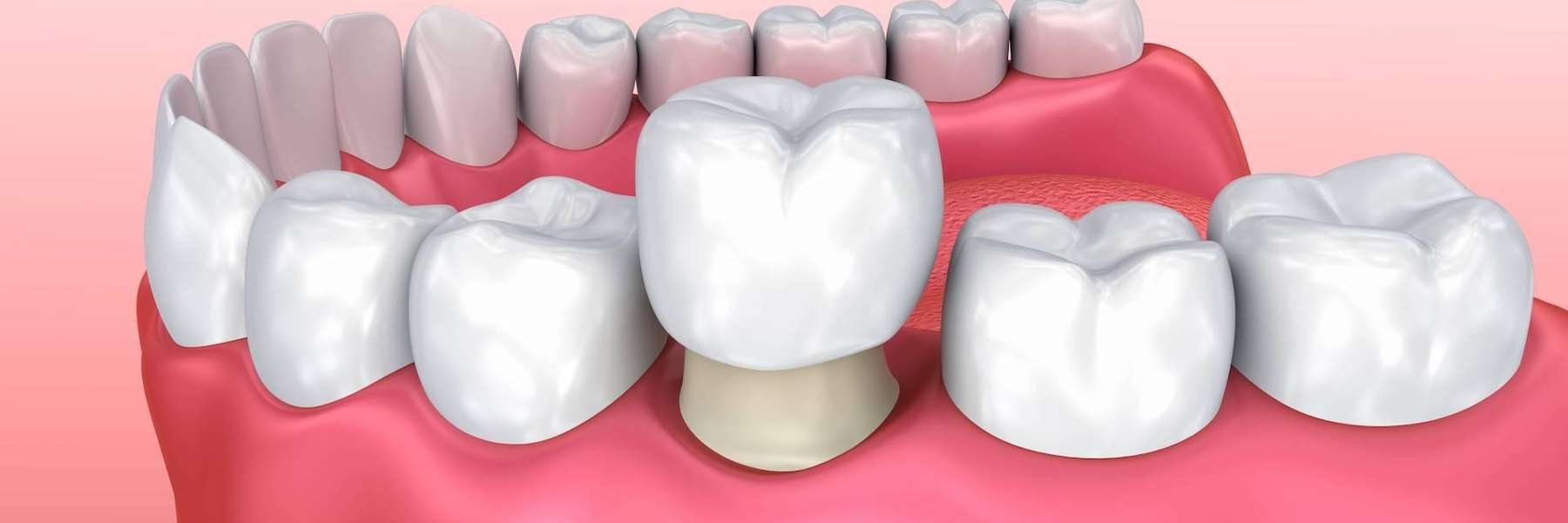
Whether protecting damaged teeth or sitting atop dental implants, dental crowns are an invaluable restorative tool. Crowns not only restore strength to weakened teeth but also offer support to surrounding teeth and enhance the appearance of a person’s smile.
Of course, a certain level of care is required to ensure a crown’s integrity. Today we’re offering some best practices to help maintain the longevity of a newly-placed dental crown.
What Is a Dental Crown in Colorado Springs, CO and What Is It Made Of?
A dental crown is a custom-fitted cap that covers the entire visible portion of a tooth. We place crowns to protect teeth that have been weakened by decay, cracks, or large fillings. We also use them to complete dental implants and anchor dental bridges.
Most crowns today are made from porcelain or a porcelain-fused-to-metal material. Porcelain crowns are designed to match the color and appearance of your natural teeth closely. All-metal crowns are sometimes used for back molars where strength matters more than appearance. Dr. Terveen will recommend the best material for your specific tooth based on its location and how much biting force it needs to handle.
How Long Does a Dental Crown Last?
Most dental crowns last between 10 and 15 years. With excellent dental crown care and regular checkups, many crowns last 20 years or longer. The lifespan of your crown depends on the material it is made from, where it sits in your mouth, and how well you maintain it day to day.
Crowns on back teeth tend to wear faster because they handle more chewing force. Crowns on front teeth generally experience less pressure but are more exposed to staining from food and drinks.
Tips for Caring for Your Dental Crowns and Prolong Their Lifespans
Over time, wear and tear on a dental crown may necessitate replacement. However, with strong, consistent oral hygiene practices, you can maximize the lifespan of your crowns. The most significant of these practices include:
- Brushing and flossing gently (at least twice daily) around the site of a newly placed crown to prevent plaque buildup
- Avoid biting down on hard objects like ice, olive pits, or pen caps
- Don’t use your teeth as tools
- Steer clear of especially sticky foods
- If you grind your teeth while sleeping, consider wearing a nightguard to prevent excessive wear
- Make sure to attend follow-up appointments with your dentist to ensure that the crown is properly placed and free of any issues
Can Decay Develop Under a Dental Crown?
Yes. The crown itself cannot decay, but the natural tooth structure underneath it can. This typically happens when bacteria work their way in through a gap at the crown margin, often caused by gum recession or a breakdown in the cement over time.
This is one of the main reasons regular dental visits matter even after a crown is placed. Decay under a crown does not always cause noticeable symptoms until it has progressed significantly. Catching it early at a routine exam can mean the difference between a simple re-cementation and needing a full replacement.
Schedule a Dental Crown Checkup in Colorado Springs
Whether you have a crown that was placed years ago or you are considering one for the first time, Dr. Terveen and the Springs Family Dental team are here to help. We are located at 1935 North Union Blvd in Colorado Springs and welcome patients from across the Pikes Peak region.
Call us at (719) 294-0617 or book an appointment online to schedule your visit. Good dental crown care starts with a team you can trust.